Witnessing the Impact: My Journey with Shine on Rwanda
My name is Rich Laws, and I have proudly supported Shine on Rwanda since the organization was founded in 2021. While I had read about the impact that solar lighting can have on families living without electricity and had seen many photos from previous distributions, nothing compared to experiencing it firsthand.
In early June 2026, I traveled to Rwanda to help distribute more than 320 solar lamps to families in need. I met Shine on Rwanda founders John and Leah the evening I arrived, and we shared dinner with our local nonprofit partner, NPO-TER, to review the plans for the following day. Working with nearly a dozen local leaders throughout the Gisagara District in southern Rwanda, NPO-TER had organized a central distribution point where families from surrounding communities could gather.
We left before sunrise for the four-and-a-half-hour drive south, traveling across Rwanda's beautiful rolling hills. During the final hour, the paved roads gave way to narrow dirt roads winding through rural farming communities where most families rely on subsistence agriculture. As we got closer, it became increasingly clear how limited the local infrastructure was.
After briefly losing our way and receiving directions from a local farmer, we rounded a corner and saw nearly 400 people waiting patiently beneath the shade of several large trees. It is a moment I will never forget. My first thought was, "I hope we have enough lamps." My second was gratitude that so many people had traveled such long distances for something many of us take for granted—the ability to have light after sunset.
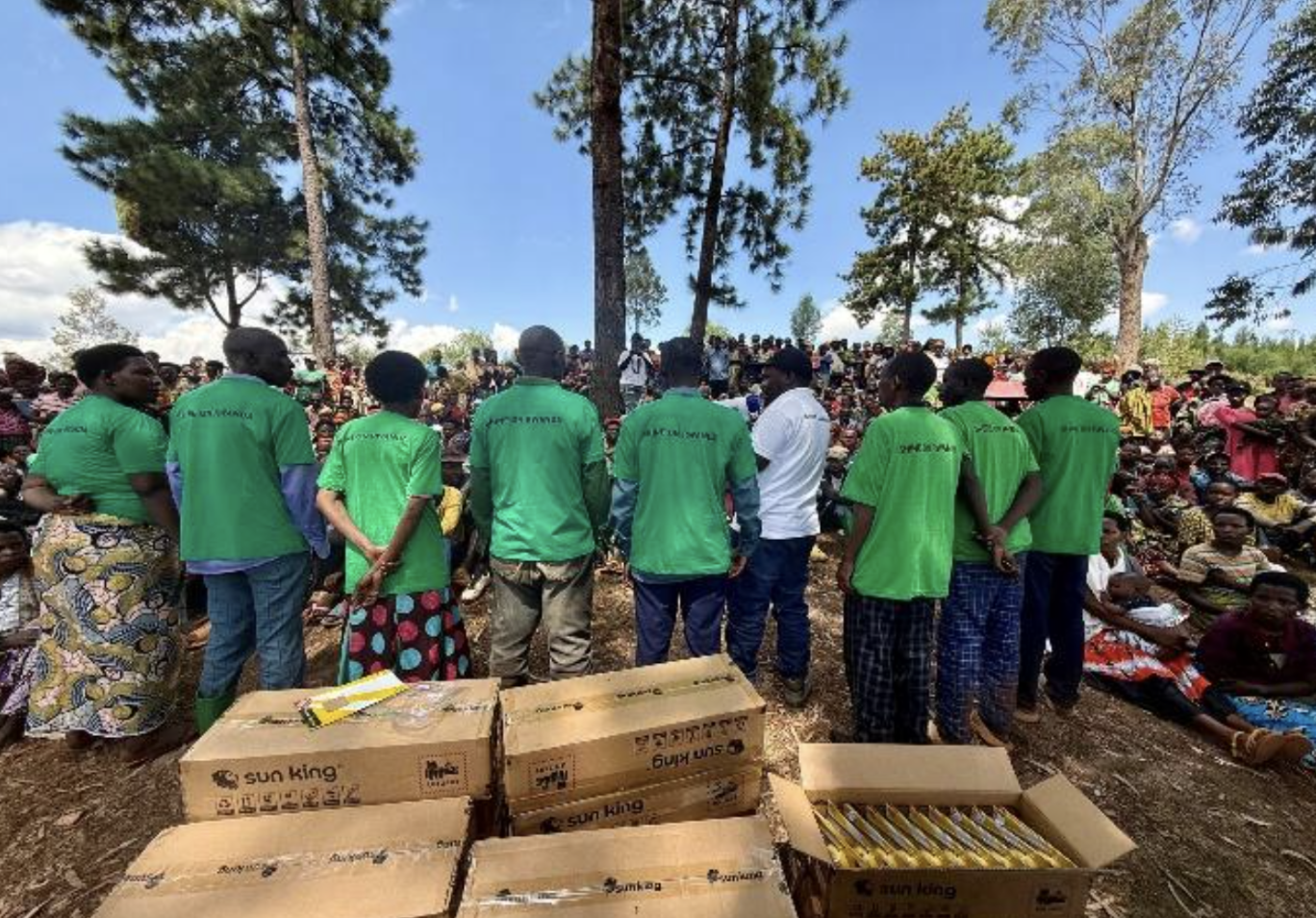
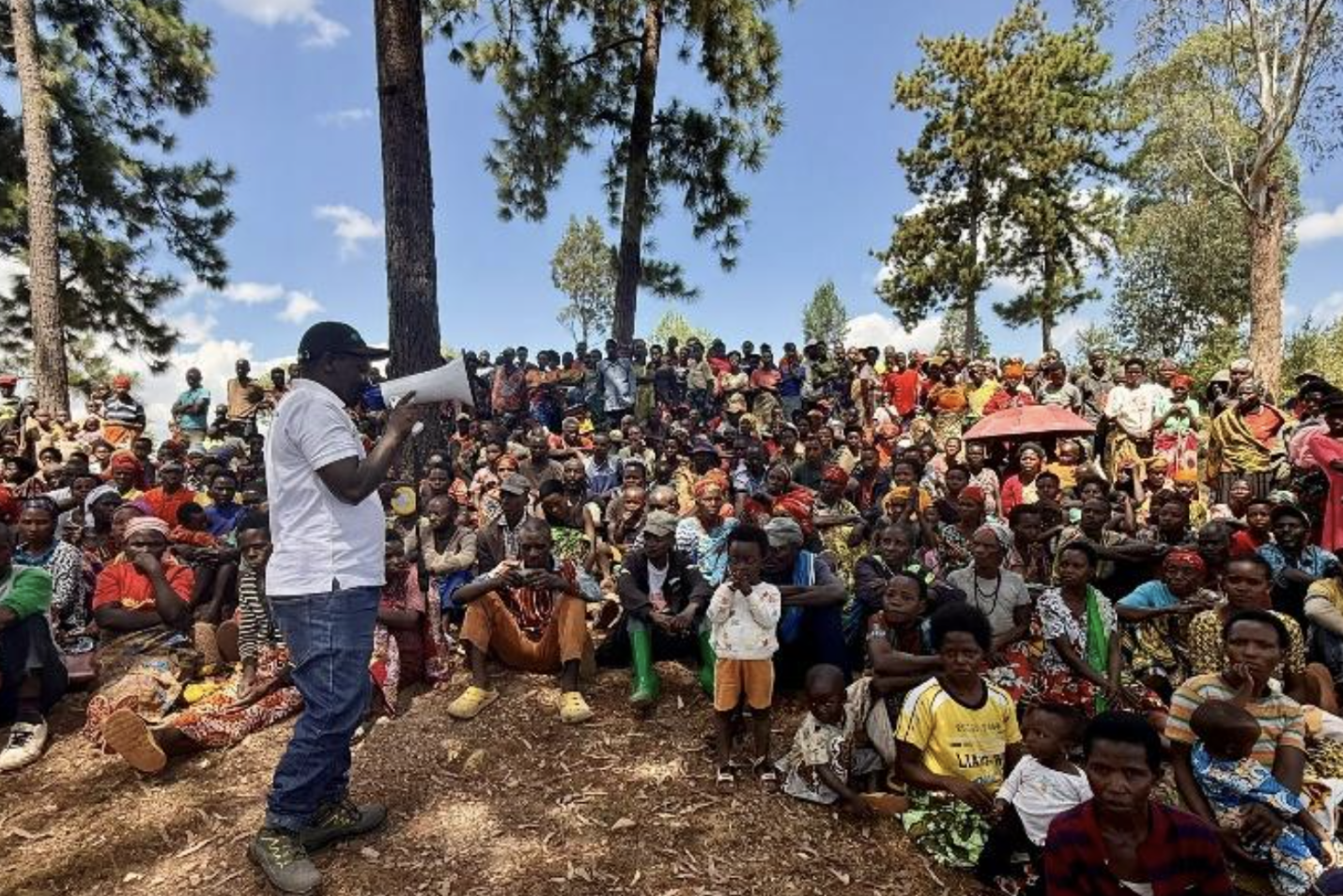
As we unloaded the vehicle, our NPO-TER partners welcomed everyone and explained the purpose of our visit. Looking across the gathering, I saw mothers holding young children, elderly men and women, people with disabilities, and families dressed in vibrant, colorful clothing. Despite the long wait, there was an unmistakable sense of joy, patience, and hope.
After demonstrating how to use and charge the solar lamps, local leaders organized several distribution stations. NPO-TER recorded each recipient's information before presenting them with their lamp.
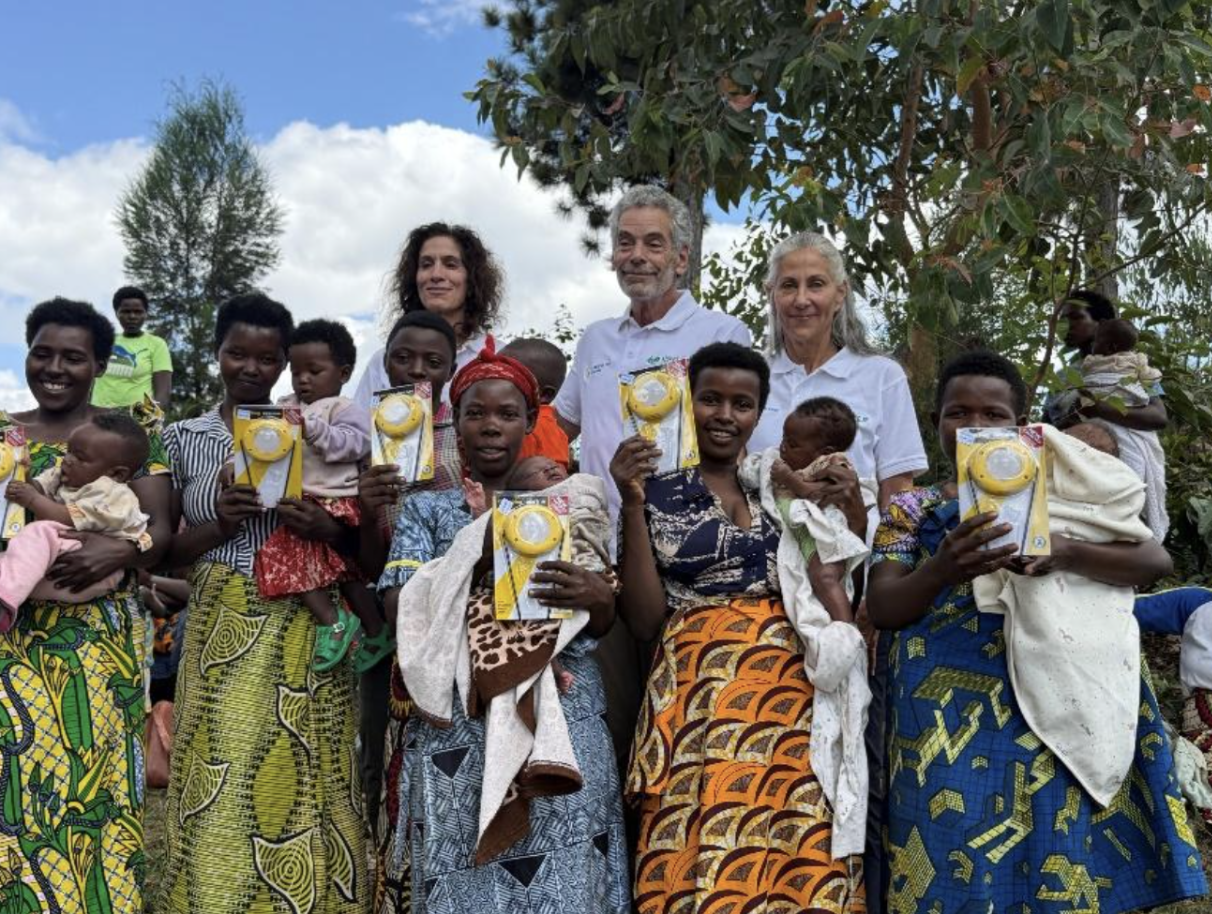
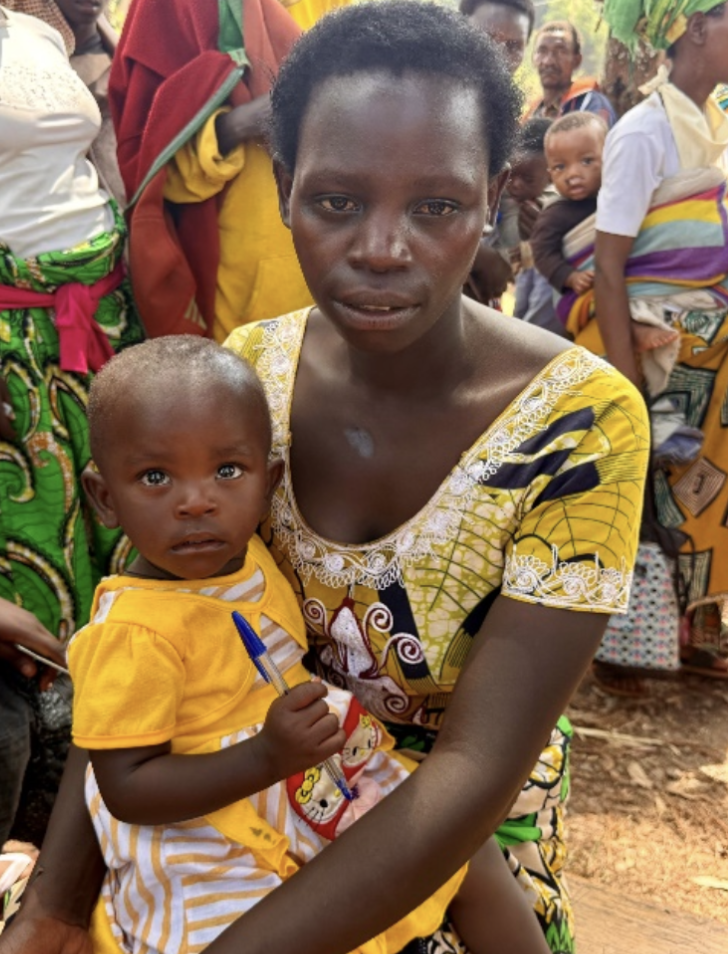
The expressions on people's faces were unforgettable. They understood they were receiving something simple, yet something with the power to change daily life. Many remained afterward to visit with neighbors, examine their new lamps together, and celebrate the occasion as a community.
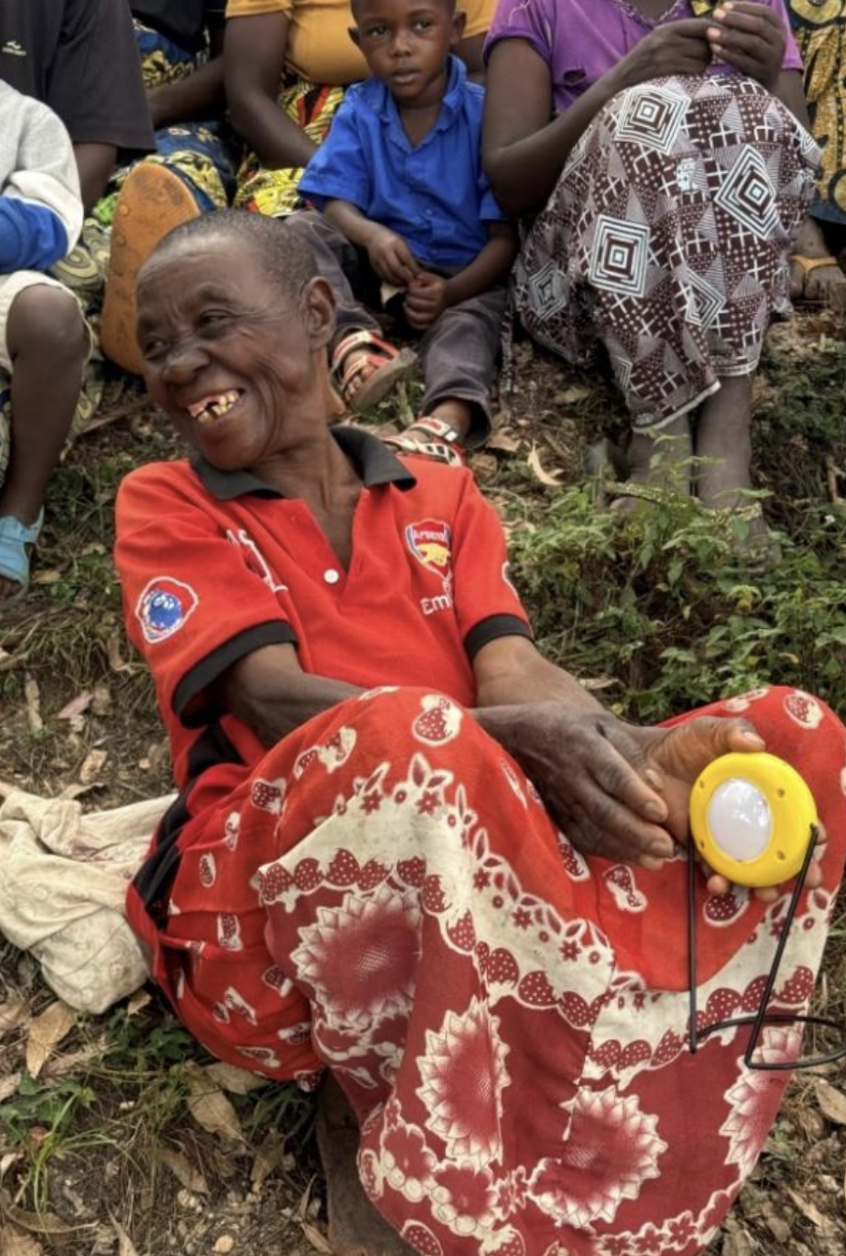
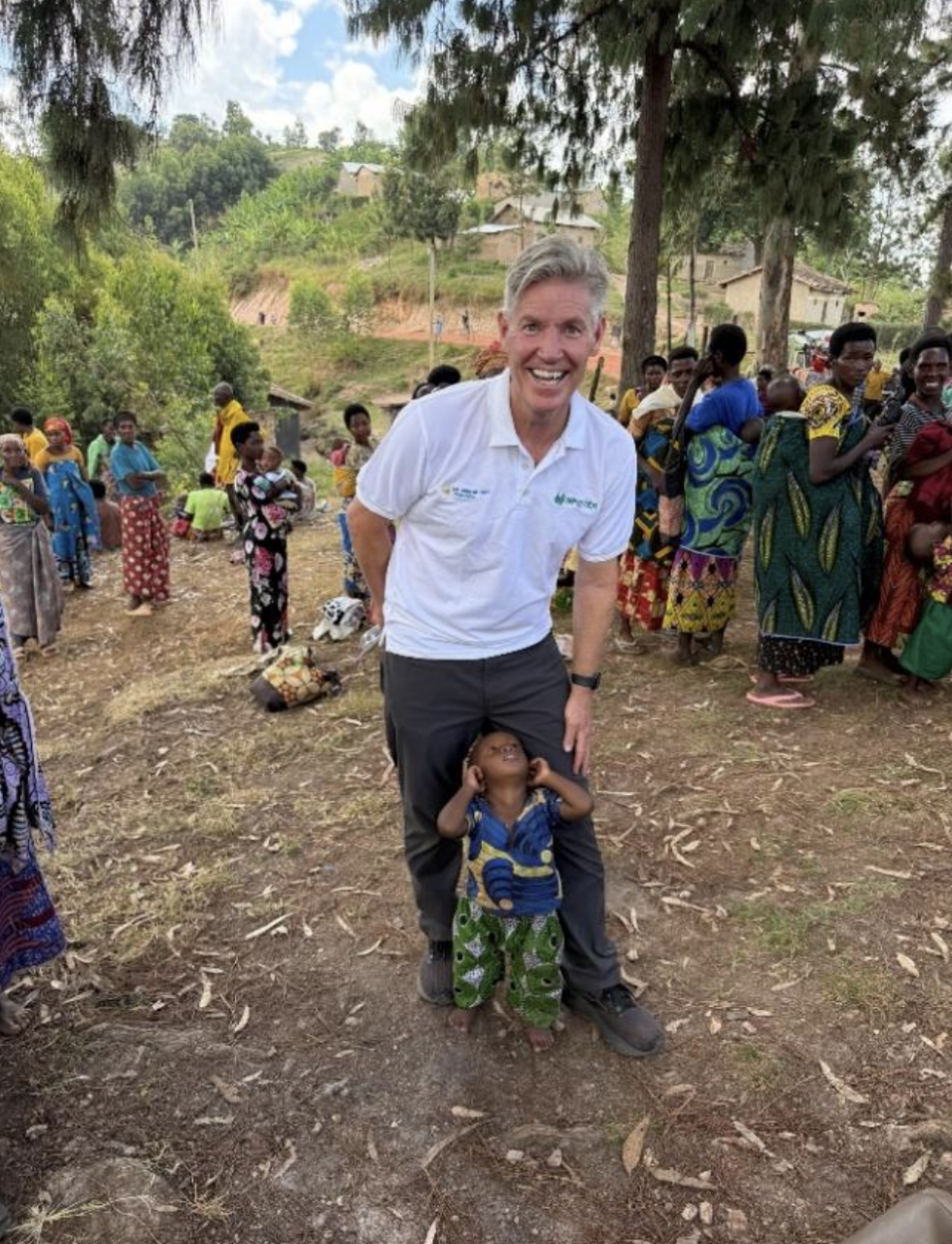
Later that day, NPO-TER took us to visit several families who had received lamps during an earlier distribution. Although electrical power lines passed through parts of the area, very few homes were connected because both installation costs and monthly service were beyond what most families could afford. The homes were modest—typically one or two rooms built from mud blocks with dirt floors and metal or clay roofs.
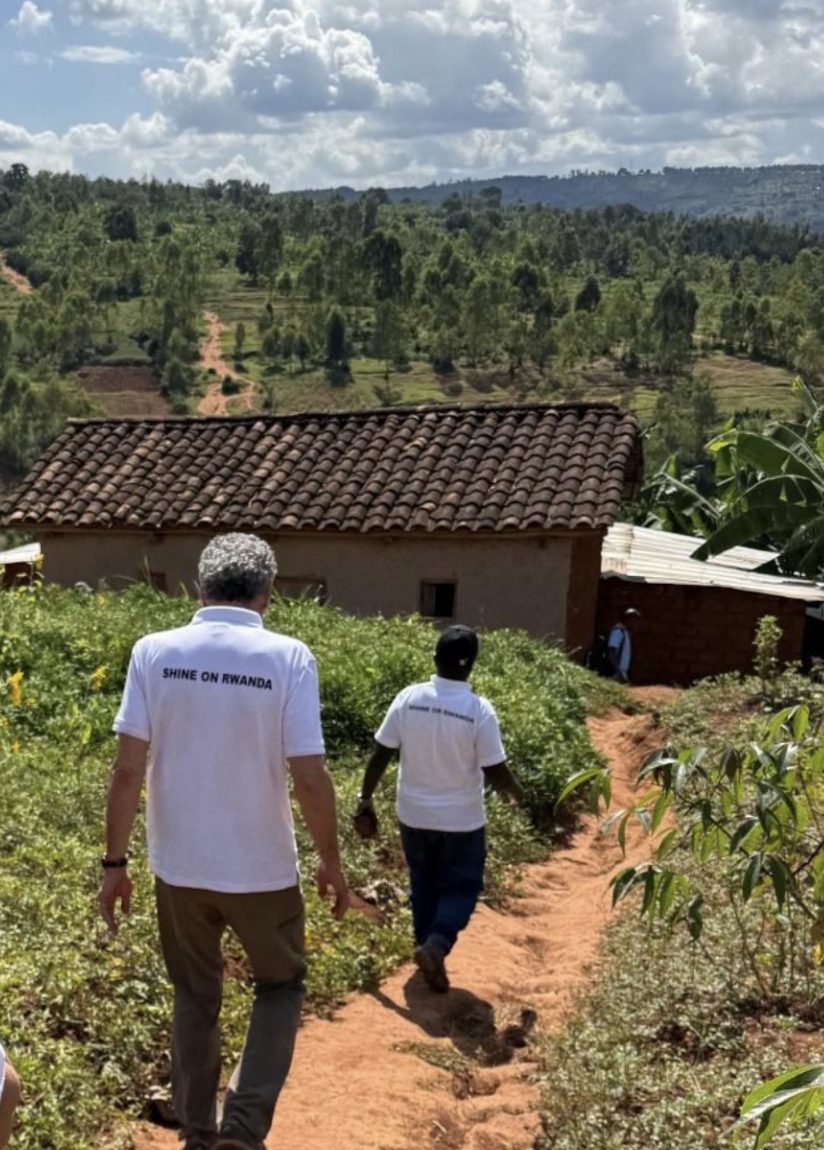
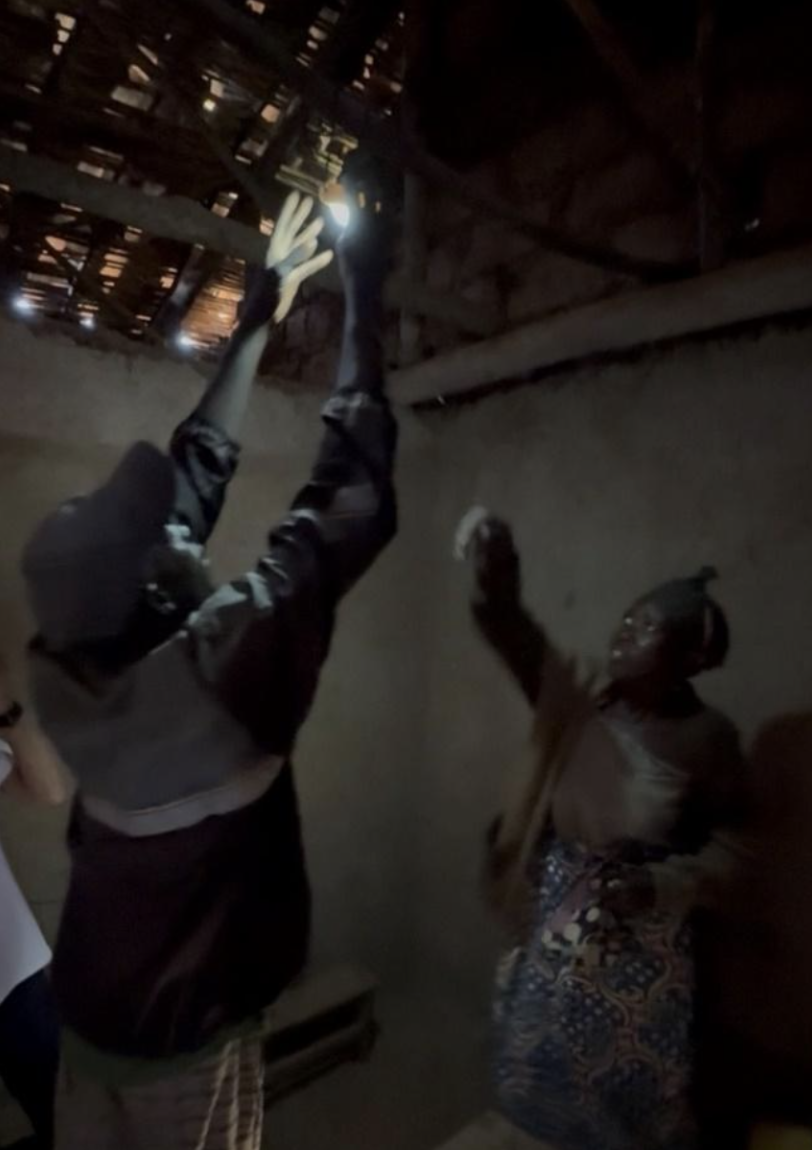
One mother explained that the solar lamp allows her children to study after dark, helps her prepare meals safely, and makes it easier to move around the home at night. As she spoke about her husband, who has been ill, she became emotional. She said the light gives her peace of mind because she can care for him safely throughout the night.
In another home, a mother showed us how she hangs the lamp from the ceiling so the family can gather around the table in the evenings to eat together, help the children with schoolwork, and spend time as a family. She told us that life no longer stops when the sun goes down.
Those conversations brought home something I had always known intellectually but had never truly appreciated. In our homes, light is available with the flip of a switch. We rarely think about it until a power outage reminds us how disruptive darkness can be. For many of the families we met, however, reliable light is not a convenience—it is a life-changing resource that improves education, safety, productivity, and family life every single day.
We returned to Kigali late that evening after a long but incredibly rewarding day. As I reflected on everything we had experienced, I realized that while each solar lamp is small, its impact is profound. One lamp can extend study time for children, improve safety inside the home, reduce dependence on expensive and often dangerous fuels, and allow families to spend quality time together every evening.
I left Rwanda deeply grateful—for the opportunity to witness this work firsthand, for our dedicated partners at NPO-TER, for the generosity of Shine on Rwanda's supporters, and most of all for the resilience and warmth of the families we were privileged to meet.
Every lamp distributed represents more than light. It represents opportunity, dignity, and hope. By the end of 2026 we will have distributed more than 3,000 solar lamps and hope to do even more in 2027!
Shine On — Rich